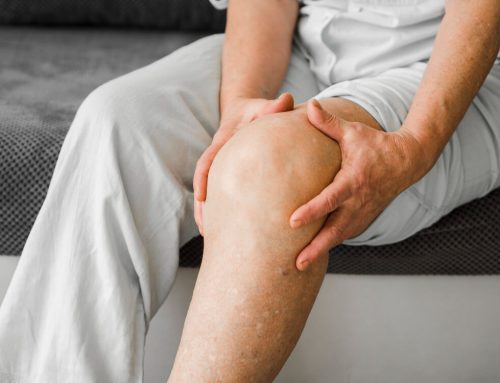
Varicose veins, those twisted and enlarged veins often visible on the legs, are a common vascular issue. Obesity, characterized by excess body weight, is a global health concern. Interestingly, these two conditions are not isolated; there is a significant link between obesity and varicose veins. This comprehensive exploration will explore the intricate connection between obesity and varicose veins, understand how excess weight strains the circulatory system, explore preventive measures for those at risk due to weight, and offer lifestyle recommendations for managing both conditions effectively.
The Link Between Obesity and Varicose Veins
- Increased Pressure on Veins: Obesity places additional pressure on the veins in the lower body, particularly the legs. The excess body weight adds to the leg veins’ load, making it harder for them to return blood to the heart efficiently.
- Weakened Vein Valves: The veins in the legs are equipped with one-way valves that prevent blood from flowing backward. Obesity can weaken these valves over time due to the increased pressure and strain, leading to the development of varicose veins.
- Impaired Circulation: Obesity often accompanies a sedentary lifestyle, which can further impede blood circulation. Lack of physical activity contributes to poor blood flow, making it easier for varicose veins to form.
- Inflammatory Factors: Obesity is associated with chronic inflammation, which can damage vein walls and increase the risk of varicose veins. Inflammation can also impair the proper functioning of vein valves.
- Hormonal Changes: Obesity can lead to hormonal changes that affect blood vessel health. These changes may contribute to the development of varicose veins.
Preventive Measures for Those at Risk Due to Weight
If you are overweight or obese and concerned about the risk of developing varicose veins, there are several preventive measures you can take:
- Weight Management: Losing excess weight through a balanced diet and regular exercise can significantly reduce the risk of varicose veins. Weight loss helps alleviate the strain on the veins and improves overall circulatory health.
- Physical Activity: Incorporate regular physical activity into your daily routine. Walking, swimming, and cycling promote blood circulation and strengthen the leg muscles, which can help prevent varicose veins.
- Compression Stockings: Consider wearing compression stockings, which provide external support to the veins in the legs. These stockings help improve blood flow and reduce the risk of varicose veins.
- Healthy Diet: Adopt a diet rich in fiber, antioxidants, and anti-inflammatory foods. A healthy diet can support weight loss efforts and promote overall vascular health.
- Hydration: Stay well-hydrated by drinking plenty of water throughout the day. Proper hydration can help maintain blood volume and prevent blood from thickening, reducing the strain on veins.
Lifestyle Recommendations for Managing Both Conditions
For those who are already dealing with both obesity and varicose veins, managing these conditions effectively requires a holistic approach:
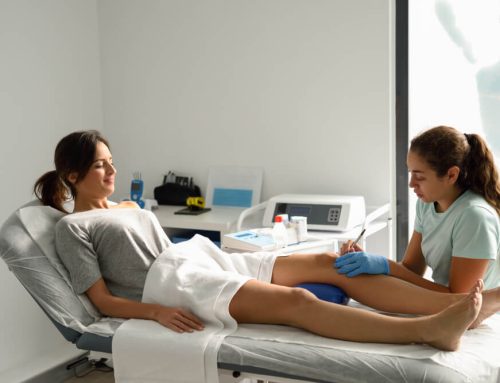
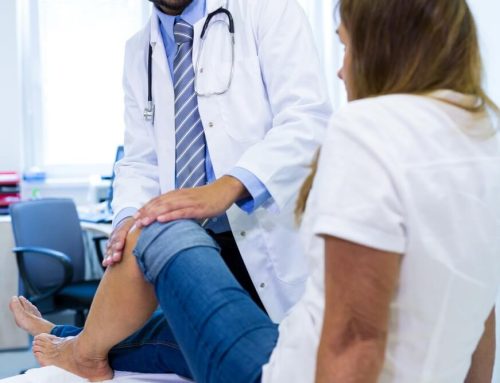
- Consult a Healthcare Provider: Seek guidance from a healthcare provider who specializes in vascular health. They can assess the severity of your varicose veins and recommend appropriate treatment options.
- Treatment for Varicose Veins: Consider medical treatments such as sclerotherapy, endovenous laser therapy (EVLT), or radiofrequency ablation (RFA) if your varicose veins are causing significant discomfort or complications. These procedures can help alleviate symptoms and improve circulation.
- Weight Loss Support: If you struggle with weight management, seek support from a registered dietitian or a weight loss program. Professional guidance can help you achieve and maintain a healthy weight.
- Physical Therapy: Consult a physical therapist for exercises and strategies that are safe and effective for managing both obesity and varicose veins. Physical therapy can help improve mobility and reduce pain.
- Medication Management: If you have underlying medical conditions contributing to obesity or varicose veins, such as diabetes or hypertension, ensure that you are effectively managing these conditions with the guidance of a healthcare provider.
- Elevate Your Legs: Practice leg elevation by propping your legs up when resting. This simple technique can help reduce swelling and alleviate discomfort associated with varicose veins.
- Supportive Footwear: Wear comfortable and supportive footwear to promote proper blood circulation and reduce pressure on the veins.
Conclusion
Obesity and varicose veins share a complex relationship, with excess body weight contributing to the development and progression of varicose veins. Understanding this link is crucial for those at risk due to weight, as it empowers individuals to take preventive measures and manage both conditions effectively.
By addressing obesity through weight management, adopting a healthy lifestyle, and seeking medical intervention, individuals can reduce the strain on their circulatory system and minimize the risk of varicose veins. For those already dealing with varicose veins, consulting a healthcare provider and exploring treatment options can relieve discomfort and improve overall vascular health.
Remember that managing obesity and varicose veins is a long-term journey that requires dedication and commitment. By taking proactive steps and seeking professional guidance, individuals can lead healthier lives and enjoy improved venous health.