The Importance of Hydration for Varicose Vein Prevention
Varicose veins are a common vascular condition that can cause discomfort and affect the quality of life. While various factors contribute to their development, one often overlooked aspect is hydration. In this comprehensive guide presented by Vascular Surgery Medical Group, we’ll explore the crucial role of hydration in preventing varicose veins. From understanding the impact of hydration on vein health to practical tips for staying adequately hydrated, we’ll provide you with valuable insights to protect your vascular health.
Understanding Varicose Veins and Hydration
Before delving into the importance of hydration, let’s first understand what varicose veins are and how they develop.
What are Varicose Veins?
Varicose veins are a common vascular condition characterized by enlarged, twisted veins that often manifest in the legs and feet. This condition arises when the valves within the veins fail to function properly, leading to a backflow of blood and subsequent pooling within the affected veins. As a result, the veins become distended and bulge, creating the characteristic appearance associated with varicose veins.
The underlying cause of varicose veins is typically attributed to weakened or malfunctioning vein valves, which are responsible for facilitating the one-way flow of blood back to the heart. When these valves become incompetent, they fail to prevent the backward flow of blood, allowing it to accumulate within the veins. Over time, this venous congestion leads to the dilation and enlargement of the affected veins, giving rise to the distinctive varicosities observed on the skin’s surface.
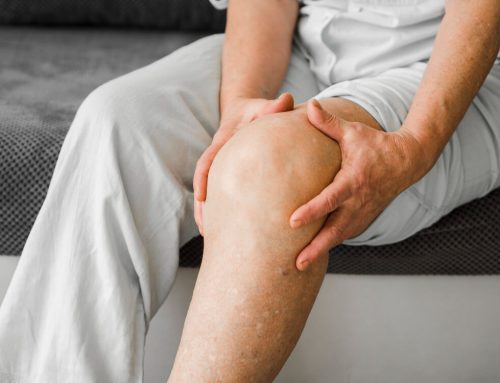
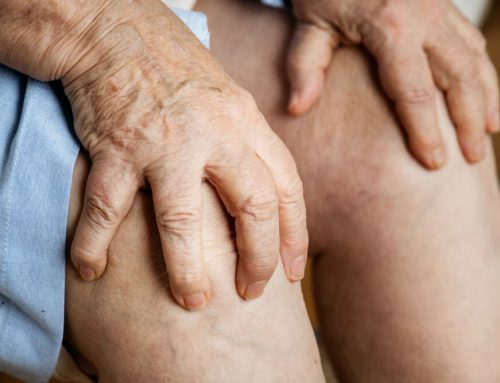
Varicose veins can present a range of symptoms, including pain, discomfort, and swelling in the affected areas. Many individuals also experience sensations of heaviness or achiness, particularly after prolonged periods of standing or sitting. In some cases, varicose veins may be accompanied by visible changes in the skin, such as discoloration or the development of skin ulcers.
While varicose veins are often considered a cosmetic concern, they can also pose significant health risks if left untreated. Complications such as thrombophlebitis (inflammation of the vein wall) or venous ulcers (open sores) may occur, further exacerbating discomfort and impairing quality of life. Therefore, prompt evaluation and appropriate management of varicose veins are essential to mitigate symptoms and minimize the risk of complications.
The Role of Hydration in Vein Health
Hydration plays a crucial role in maintaining optimal vein health and function. Adequate hydration ensures that your blood maintains the right consistency and viscosity, allowing it to flow smoothly through the veins. When you’re properly hydrated, your blood volume remains stable, reducing the risk of blood pooling in the veins and the development of varicose veins.
How Dehydration Impacts Vein Health
Dehydration, on the other hand, can have detrimental effects on vein health and increase the risk of varicose veins. When you’re dehydrated, your blood becomes thicker and more viscous, making it harder for it to circulate efficiently through the veins. This increased viscosity puts added strain on the vein walls and valves, leading to decreased vein function and a higher likelihood of varicose vein development.
Tips for Staying Hydrated and Preventing Varicose Veins
Now that we understand the importance of hydration for vein health let’s explore some practical tips to ensure you stay adequately hydrated and reduce the risk of varicose veins:
- Drink Plenty of Water: Aim to drink at least eight glasses of water a day, or more if you’re physically active or in a hot climate. Keeping a reusable water bottle with you can serve as a reminder to stay hydrated throughout the day.
- Eat Hydrating Foods: Incorporate hydrating foods into your diet, such as fruits and vegetables with high water content, including watermelon, cucumber, oranges, and strawberries.
- Limit Caffeine and Alcohol: Both caffeine and alcohol can contribute to dehydration, so it’s essential to consume them in moderation and balance them with adequate water intake.
- Monitor Urine Color: Pay attention to the color of your urine. Clear or pale yellow urine is a sign of adequate hydration, while dark yellow or amber-colored urine may indicate dehydration.
- Stay Cool in Hot Weather: During hot weather or when engaging in physical activity, be proactive about staying cool and replenishing fluids lost through sweat.
- Use Moisturizing Creams: Moisturizing creams can help keep your skin hydrated, reducing the risk of dryness and itchiness associated with varicose veins.
Prioritize Hydration for Healthy Veins
Maintaining proper hydration is essential for preventing varicose veins and promoting overall vein health. By staying adequately hydrated and adopting healthy hydration habits, you can support optimal blood flow, reduce the risk of vein issues, and enjoy healthier veins for years to come. Vascular Surgery Medical Group is committed to providing comprehensive vein care and support to help you achieve and maintain optimal vascular health.