When we think of varicose veins, the image that often comes to mind is that of a woman with visible, swollen veins on her legs. However, this common misconception obscures a vital reality: varicose veins are not exclusive to women. Men can also experience this vascular condition and face unique challenges and manifestations that deserve attention. In this article, we’ll debunk the myths surrounding men and varicose veins, explore the distinct issues they may encounter, and offer guidance tailored to male patients.
The Truth About Varicose Veins in Men
Myth 1: Varicose Veins Are a Women’s Problem
It’s a prevalent myth that only women suffer from varicose veins. While it’s true that women are more likely to develop varicose veins due to hormonal changes during pregnancy and the use of birth control pills, men are far from immune to this condition. Varicose veins affect a significant number of men worldwide.
Myth 2: Varicose Veins Are Purely Cosmetic
Varicose veins are often dismissed as merely a cosmetic issue, which can lead to men neglecting their symptoms and delaying treatment. However, varicose veins can cause uncomfortable symptoms, including pain, swelling, and aching legs. Moreover, if left untreated, they can lead to more severe complications, such as venous ulcers and blood clots.
Myth 3: Varicose Veins Are an Inevitable Part of Aging
While it’s true that varicose veins become more familiar with age, they are not an inevitable part of aging. Several factors, including genetics, lifestyle, and occupation, contribute to their development. Men who are aware of these risk factors can take steps to reduce their likelihood of developing varicose veins.
Unique Challenges for Men with Varicose Veins
Men with varicose veins may face distinct challenges and manifestations compared to women. Here are some of the unique aspects of varicose veins in male patients:
- Concealment and Self-Consciousness: Men may be more self-conscious about the appearance of varicose veins due to societal expectations and clothing choices. This self-consciousness can deter them from seeking treatment, even when they experience discomfort.
- Misdiagnosis: Varicose veins in men may be misdiagnosed as other conditions, such as muscle strains or overexertion, delaying proper treatment. Healthcare providers must consider varicose veins as a potential cause of leg pain and discomfort in male patients.
- Occupation-Related Risk: Certain occupations that involve prolonged standing or heavy lifting periods, such as construction or manufacturing jobs, can increase the risk of varicose veins in men. Male patients in such professions should be particularly vigilant about monitoring their leg health.
- Sports and Exercise: Men active in sports and fitness may develop varicose veins due to the increased pressure on their leg veins during strenuous activities. Understanding how to manage venous health while staying active is essential for male athletes.
Guidance for Men with Varicose Veins
If you’re a man dealing with varicose veins, taking your symptoms seriously and seeking appropriate care is essential. Here are some steps and guidance tailored to male patients:
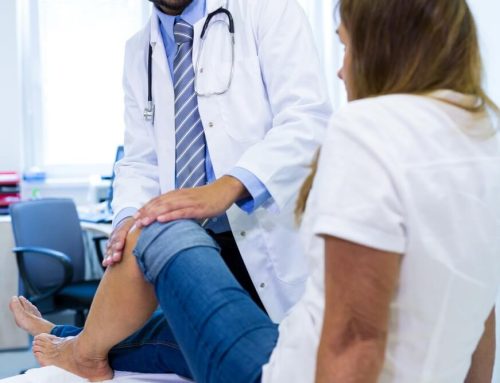
- Consult a Vascular Specialist: Schedule a consultation with a vascular specialist who can assess your condition, provide an accurate diagnosis, and recommend suitable treatment options. Don’t hesitate to seek professional help if you experience pain, swelling, or discomfort in your legs.
- Embrace Compression Therapy: Compression stockings, often recommended as a conservative treatment, can help alleviate symptoms and improve blood circulation in your legs. They are discreet and can be worn under clothing, allowing you to manage varicose veins while maintaining your daily routine.
- Lifestyle Modifications: Consider making lifestyle changes to reduce your risk and manage varicose veins. These changes may include regular exercise, maintaining a healthy weight, elevating your legs when resting, and avoiding prolonged periods of standing or sitting.
- Minimally Invasive Treatments: If your varicose veins require more intensive treatment, explore minimally invasive procedures such as sclerotherapy, endovenous laser therapy (EVLT), or radiofrequency ablation (RFA). These options offer effective results with minimal downtime.
- Self-Care and Prevention: Take proactive measures to care for your vascular health. Stay hydrated, elevate your legs when possible, and incorporate leg exercises into your daily routine to promote circulation. Also, be mindful of your family’s vascular history, as genetics can play a significant role.
Conclusion
Varicose veins are not limited to women; men can experience this vascular condition, too. It’s essential to dispel the myths surrounding men and varicose veins and raise awareness about male patients’ unique challenges. Men can effectively manage varicose veins and maintain their leg health by seeking timely treatment, embracing lifestyle modifications, and exploring minimally invasive options. If you’re a man dealing with varicose veins, remember that you’re not alone, and solutions are available to help you lead a comfortable and active life.