Varicose veins, though often associated with aging, can manifest at any stage of life. Understanding their nature, recognizing risk factors, and identifying early signs are crucial for timely intervention. This article aims to provide concise insights into early-stage varicose veins symptoms and actionable steps for those affected.
Understanding Varicose Veins
Varicose veins are enlarged, twisted veins that become visible beneath the skin’s surface. They occur primarily in the legs due to weakened or damaged valves within the veins. These valves regulate blood flow, and when they fail, blood pools in the veins, causing them to swell and become varicose.
Knowing Your Risk
Beyond age, genetics, hormonal shifts (as in pregnancy or menopause), obesity, and a sedentary lifestyle elevate the risk. Professions involving extended periods of standing or sitting can also heighten susceptibility.
Signs of Varicose Veins
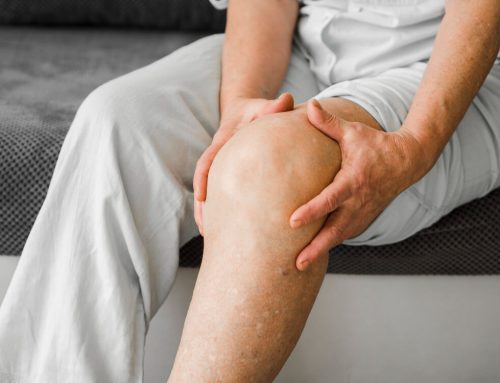
Varicose veins typically present as bulging, twisted veins visible just beneath the skin’s surface. They often appear blue or dark purple. Concurrently, individuals may experience aching, throbbing, or a sensation of heaviness in the legs. Swelling, especially after prolonged periods of inactivity, is another common symptom.
Early Warning Signs of Varicose Veins
In the initial stages, varicose veins may not always be visible. However, certain symptoms can serve as early indicators. These may include occasional discomfort or aching in the legs, particularly after extended periods of inactivity. Some individuals may also notice mild swelling or a feeling of heaviness, which can be alleviated with elevation.
Can Young People Get Varicose Veins?
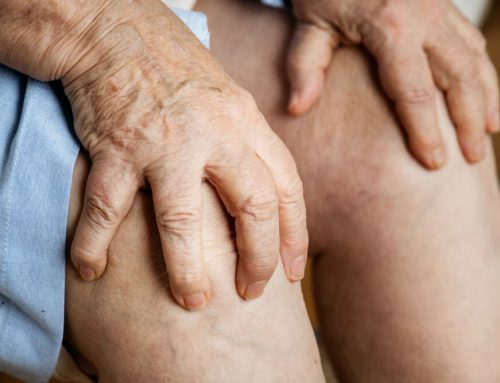
Although more common in older individuals, varicose veins can affect people of all ages, including the young. This is particularly true with a family history of varicose veins or other risk factors like obesity or hormonal shifts. Regardless of age, recognizing symptoms early is pivotal for effective management.
What to Do if You Have Early-stage Varicose Veins
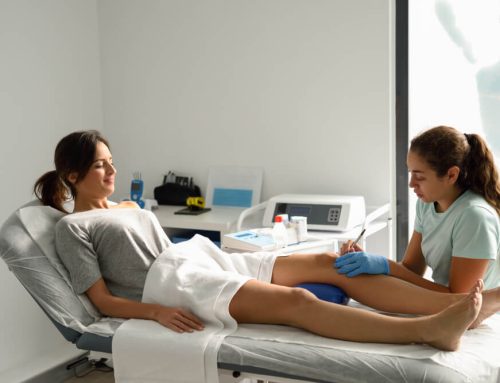
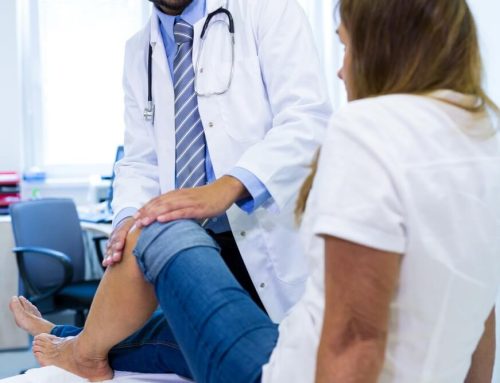
Prompt professional evaluation is crucial if you suspect early-stage varicose veins. A vein specialist can conduct a thorough assessment, potentially including ultrasound imaging, to gauge the condition’s extent. Treatment options range from lifestyle modifications and compression stockings to minimally invasive procedures, depending on severity.
Remember, early intervention is pivotal in managing varicose veins effectively. Understanding the signs and risks empowers individuals to take proactive steps towards better vein health. If you suspect varicose veins, consult a vein specialist for a personalized assessment and treatment plan.